Masquerade 2010 Chardonna - Attimo Winery in Christiansburg VA
Moscato Provincia Di Pavia Castello a Poggio -
Flip Flop Left Coast American Riesling
Meridian Vineyards (California) Sauvignon Blanc 2010
Moda' Montepulciano d'Abruzzo (Italy)
Sunday, April 8, 2012
Dinner Blog 2: Palisades, New Zealand Wines

The flag of New Zealand.
This week, we went to the Palisades in Eggleston. What a fun little restaurant! I went with my friends Kristin and Sarah, both students in our class, and I really enjoyed the food that they had there, and the venue seemed like something you would find in rural southwest Virginia. But I'm going to start this blog post off very bluntly - I thought these wine's sucked. :(
It was situated, kind of awkwardly, right next to "Hardware and Farm Equipment...
But the entrance to the restaurant itself was very quaint and something that was actually pretty inviting!


The wines that we tried were particularly from the Marlborough region of New Zealand.

The notes given to us by the waitress, Cara, noted that wine making and vine growing go back to colonial times in New Zealand. James Busby was the first to produce his own wine in the area, but due to economic, legislative, and cultural factors, the spirit of beer and spirit drinking int he area was a marginal activity in terms of economic importance.
In the late 1970s, Marlborough produced a lot of different grapes, and the strong contrast between hot sunny days and cool nights helped extend the ripening period for the grapes. The majority of Marlborough's extensive vineyard plantings are around Renwick, Blenheim, and Cloudy Bay in the Wairau Valley.
On the menu was:
Lamb with Apricot Sauce

Tuna with Sweet Potato Cake & Mustard Butter

Kiwi/Strawberry Gelee


And additionally, I got a Caesar Salad

My friends also got an Artichoke-Red Pepper Dip that is pictured later in the post.
All of the food was delicious - I enjoyed them all infinitely more than the wines, actually. I tasted each wine before the food came out, and I actually enjoyed the wines more with the food, really driving the point home that wine is supposed to be accompanied by food.
The three wines that we had were (from left to right):

Lawson's Dry Hills Sauvignon Blanc, 2011
Spy Valley Risling, 2009
Ponga Pinot Noir, 2010
The Sauvignon Blanc was very florally, and the color was really white, almost like water. It literally tasted like a flower, and to be honest, it was sort of gross. I don't like passion fruit so that could have been why - that was one of the descriptors used in the description of the wine, along with lime zest, stone fruit, and floral aromatic notes - all of which I don't think sound very appealing.
The Riesling was not as sweet as most. It was slightly carbonated, which was very refreshing. It was slightly sugary, but not as sweet as most Rieslings, more like a Chardonnay with a bite of a bit. It had more citrus flavors, and no real florally or apple scent, which was welcoming. There was no real change after tasting the food in the taste of the wine, but it definitely went best with the dessert layer, and went well with the creamy and almost chessiness of the roasted red pepper and artichoke dip.
The pinot was my favorite of the three, by far. It was very much like a pinot noir in the flavor of the grape, and was fairly alcoholic tasting. One of the flavors used was this - A Kola Nut. whatever that is hahaha

It tasted a lot like wild berries, and was even sweeter after the food pairing, especially with the lamb. The Gellee was like a sweet jelly relish. Played well with none of the wines, I realized as I saved the gellee for my last course. It also had strawberry puree which was extremely tasty - until the frozen bottom, which just tasted like frozen juice concentrate. :(
So, overall, the New Zealand wines had more flavors than those of the Italian wines, and are fantastic examples of the fact that wine really was made to go with food. The flavors of the wine were altered by the flavor of the food, and not vice versa - which was something that I experienced in a negative way last week at Zeppoli's while trying the Italian wine collection.
Here are the final pictures of the after-effect of all of the wine and food pairings. :)


Tasting Blog 3 (Week 11)
1. Bridgeview, Blue Moon Oregon Riesling, 2009, 12% Alcohol, $8.95
The first wine that we are going to talk about this week is a Riesling from Oregon - Oregon is known for its cool climate, which will make grapes a lot sweeter than a warmer climate - and that law definitely holds true in this wine. I first tried it at Boudreaux's in Blacksburg, toward the beginning of the semester, and it quickly became one of my favorites. Rieslings are fresh, and crisp, and usually have really fruity and florally aromas. When I tasted the wine, it tasted like really ripe apples, and unfortunately like grapefruit - and I HATE the taste of grapefruit. I've been wanting to find a wine that tastes like oranges...but I haven't gotten that lucky just yet. :)


2. Gallo Family Vineyards, Moscato
Keeping with the trend of sweet white wines, our next wine features the Moscato grape. This wine actually had a little bit of a sparkle to it, which was pretty nice. It was very sweet with a lot of lush fruity aromas, like a peace or an apricot - both of which were pretty agreeable to my palate. Everything that you need to know about Moscato, most people believe, is that it is a sweet dessert wine. But it's actually pretty lenient to seafood dishes, too, in my opinion. Later in my posts I'll talk about having a similar wine with craw fish at Boudreaux's, which was delicious. :) This Gallo Family Vineyards Moscato though really tasted a lot like honey - it was just that sweet. At 12% alcohol and only $9.95, this one was definitely one of my favorite Kroger purchases.


3. Chandon California Brut Classic, Methode Traditionnelle
Wine Enthusiast gave this bad boy 90 points. Really? I have no idea why - yeah, it's a nice champagne, but that's so high for something that tastes pretty bland!! According to the website, Chandon Brut Classic consistently displays apple and pear flavors and aromas with a hint of spice that leads to a soft, dry finish. To ensure the continuity of style and quality that has made Chandon one of America’s classic sparkling wines, our Brut Classic is blended with ten to twenty percent Reserve wines from prior harvests. I don't know why it's blended with so many things, but I definitely think that it takes away from the tastiness of it. Luckily, this was a steal at the grocery store, as it was on sale for only 12 dollars - and with a 14 percent alcohol yield, I was pretty sold on it - it helped us have a good time. But, really - it wasn't that great of a champagne. Don Perignon still needs to be tasted...I wonder if he'd do any better :) ...


4. Chateau Ste Michelle Riesling, 2010, from Columbia Valley
Columbia Valley makes a triumphant return - just like the Cabernet Sauvignon that I tried last week. I didn't like this wine anymore than I did the previous one either. At 11 percent alcohol, apparently the 2010 vintage was especially difficult - the cooler weather grapes made them sweeter, unlike the previous year apparently. I thought that the taste of this wine would go well with chicken - especially a chicken dish, maybe breaded, with a lot of garlic. A pretty tasty Riesling if you ask me!


5. Cupcake Vineyards, 2010 Central Coast Chardonnay
So when I heard about Cupcake Vineyards, I was like "wow, that's kind of cool, these wines will probably be pretty sweet! And I like sweet wine...but lo and behold, it's just name of the Vineyard, and doesn't really have anything to do with the actual wine. The crisp and vibrant flavors in the Chardonnay that I tried from them were nice - the initial impression, of the 13.3% alcohol by volume wine, was fruity, but the end impression was very buttery. The creamy and toasty flavors made it seem like it would go especially well with creme brulee. I haven't ever tried wine with such a sugary concoction, but if I ever did, this would be the one I chose. I think it's unusual, because most people think of Riesling or Moscato when they think of dessert, but I think this Chardonnay is pretty appropriate, as well.

The first wine that we are going to talk about this week is a Riesling from Oregon - Oregon is known for its cool climate, which will make grapes a lot sweeter than a warmer climate - and that law definitely holds true in this wine. I first tried it at Boudreaux's in Blacksburg, toward the beginning of the semester, and it quickly became one of my favorites. Rieslings are fresh, and crisp, and usually have really fruity and florally aromas. When I tasted the wine, it tasted like really ripe apples, and unfortunately like grapefruit - and I HATE the taste of grapefruit. I've been wanting to find a wine that tastes like oranges...but I haven't gotten that lucky just yet. :)


2. Gallo Family Vineyards, Moscato
Keeping with the trend of sweet white wines, our next wine features the Moscato grape. This wine actually had a little bit of a sparkle to it, which was pretty nice. It was very sweet with a lot of lush fruity aromas, like a peace or an apricot - both of which were pretty agreeable to my palate. Everything that you need to know about Moscato, most people believe, is that it is a sweet dessert wine. But it's actually pretty lenient to seafood dishes, too, in my opinion. Later in my posts I'll talk about having a similar wine with craw fish at Boudreaux's, which was delicious. :) This Gallo Family Vineyards Moscato though really tasted a lot like honey - it was just that sweet. At 12% alcohol and only $9.95, this one was definitely one of my favorite Kroger purchases.


3. Chandon California Brut Classic, Methode Traditionnelle
Wine Enthusiast gave this bad boy 90 points. Really? I have no idea why - yeah, it's a nice champagne, but that's so high for something that tastes pretty bland!! According to the website, Chandon Brut Classic consistently displays apple and pear flavors and aromas with a hint of spice that leads to a soft, dry finish. To ensure the continuity of style and quality that has made Chandon one of America’s classic sparkling wines, our Brut Classic is blended with ten to twenty percent Reserve wines from prior harvests. I don't know why it's blended with so many things, but I definitely think that it takes away from the tastiness of it. Luckily, this was a steal at the grocery store, as it was on sale for only 12 dollars - and with a 14 percent alcohol yield, I was pretty sold on it - it helped us have a good time. But, really - it wasn't that great of a champagne. Don Perignon still needs to be tasted...I wonder if he'd do any better :) ...


4. Chateau Ste Michelle Riesling, 2010, from Columbia Valley
Columbia Valley makes a triumphant return - just like the Cabernet Sauvignon that I tried last week. I didn't like this wine anymore than I did the previous one either. At 11 percent alcohol, apparently the 2010 vintage was especially difficult - the cooler weather grapes made them sweeter, unlike the previous year apparently. I thought that the taste of this wine would go well with chicken - especially a chicken dish, maybe breaded, with a lot of garlic. A pretty tasty Riesling if you ask me!


5. Cupcake Vineyards, 2010 Central Coast Chardonnay
So when I heard about Cupcake Vineyards, I was like "wow, that's kind of cool, these wines will probably be pretty sweet! And I like sweet wine...but lo and behold, it's just name of the Vineyard, and doesn't really have anything to do with the actual wine. The crisp and vibrant flavors in the Chardonnay that I tried from them were nice - the initial impression, of the 13.3% alcohol by volume wine, was fruity, but the end impression was very buttery. The creamy and toasty flavors made it seem like it would go especially well with creme brulee. I haven't ever tried wine with such a sugary concoction, but if I ever did, this would be the one I chose. I think it's unusual, because most people think of Riesling or Moscato when they think of dessert, but I think this Chardonnay is pretty appropriate, as well.

Tasting Blog 4 (Week 12)
This week, I will begin blog about a wide variety of wines, everything from a random cheap Riesling that my girlfriend and I picked up for dinner one night, to a Funf German Riesling to a much nicer Italian Montepulciano d'Abruzzo that I tried at a friend's house - the bottle of wine actually came from a wedding overseas. As I begin to take a look at the wide variety of wines, especially in retrospect, I'm realizing that I have taken a very keen interest in trying white wines, as opposed to reds. I'm noticing that I can notice the flavors in them a little more distinctly. In my group of friends, a lot of us are enamored with the idea of going on wine tours or drinking
a glass of wine on special occasions, but when we actually take a sip,
we can't help but be turned off by the strong, dry taste or the tannins
present in many wines. I'm really beginning to appreciate the flavors of all of the different wines, especially after getting past that initial "barrier," if you can even call it that.
So, let's dive right in to this week's five wines.
My first experience with Funf German Riesling was this silly picture. Check out the names of the wines - doesn't it just seem like a joke? Kind of like different flavor's of Burnett's Vodka in the ABC Store..
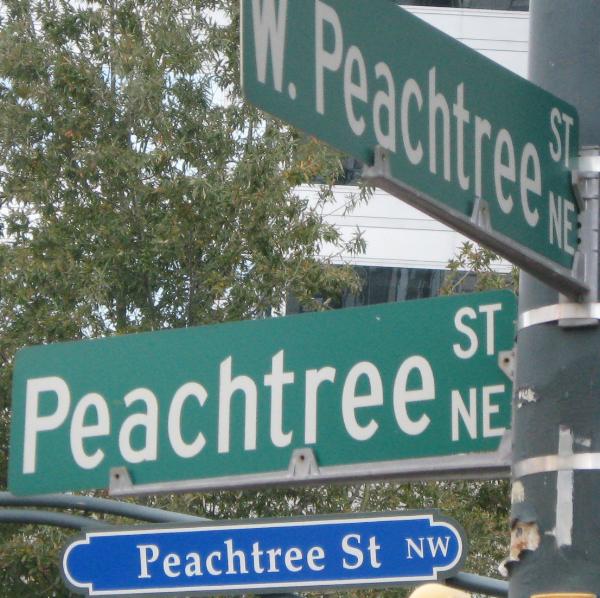
But in any event, I did actually like this Riesling. This wine was extremely cheap if I remember correctly - definitely no more than $8.00. The nose was a lot like peaches and honeysuckle - a scent that I really and truly do remember from growing up near Atlanta, Georgia in a little place called Peachtree, Georgia.
Let's stay more on track here - like I said, the note was very florally at first. After I tasted it, it was somewhat syrupy but didn't really taste a whole lot like how it smelled. The finish was also very honeysuckle like, with an almost grapefruit or honeydew finish. The weirdest part about the flavors though was that they all combined to be quite tasty - even when I 'm not paicularly a big fan of those tastes, outside of wine. Over the course of the semseter, I've noticed that most rieslings have some mineral notes that actually help tone down the sweetness a bit. Not this one, though. It was a true blue sweet, Riesling, dessert wine - but I sitll liked it. Not to mention, the name means "five" in German....not particular sure why the fun begins at five for a bottle of wine.
The second wine this week is this Cantina VillaFranca Frascati Superiore that I tried at the Vintage Cellar. Coming from Italy in the year of 2010, this was a blend of several different grapes. It was only 7.95, and I was actually pretty impressed by the price for how flavorful it was. I did a little bit of research and learned that Superiore indicates that the wine was made according to higher legal production standards. Further, classico often means that the wine is made in a venerable style. Vecchio means old, secco is dry, and dolce or amabile sweet. So to know that this wine was made according to higher legal standards wasn't something I would really have realized unless it was printed on the label, as it was. The color on the wine was ... interesting. It literally appeared as if it was some kind of household cleaning solution, as it was almost greenish. Seemed like it would have been paired great, though, with salmon or with talapia...that was actually what I went and grabbed for dinner right after the Vintage Cellar tasting. :)
Covey Run Columbia Valley 2008 Riesling
So I tried this at a dinner with some friends, and holy cheese it was delicious with cheese! From some knowledge I gained in Winery Tourism, I'm really starting to get into west coast US wines, especially from Washington State, and precisely Columbia Valley. This riesling had a pale gold color with aromas of baked peaches, apricot and pear - some tasting notes that I saw suggested that you should think caramelized pineapple upside-down cake - but that was a bit much for me. Light, well-balanced acidity keeps this refreshing wine from being way too sweet, like some light wines like this can get. Its sweetness and acidity are well balanced and lead to a a pretty tasty, well-rounded finish. The combination of high acidity with the residual sweetness gives the wine good body, flavor and intensity.
Italy Montepulciano d'Abruzzo 2008
Riserva, estate bottled, contains sulfates, product of Italy - talk about a crash course in an Italian wine label! n Italy, producers use the term Riserva to designate their better wines. We encounter the term most often with the wines of Tuscany (Chianti Classico, Brunello di Montalcino and Vino Nobile de Montepulciano) and of Piedmont (Barolo and Barbaresco). Similarly, Italian wine law mandates that these wines must be aged for a longer minimum period than non-Riserva wines. This one was tasty and made me feel drunk after 2 glasses - it was a very serious, high tannins, high alcohol content kind of wine. Like I mentioned earlier, the wine was actually tried at a friend's house, but they had gotten it at a relative's wedding overseas, which I thought made me feel pretty important. :) We made dinner and actually tried it with chicken with a tomato based sauce, and it was delicious, with tastes of cherry and other sweet red fruits, like pomegrantes.
And lastly, we have a 2009 Red Diamond Washington State Merlot. I had tried several Red Diamond wines, with their Cabernet Sauvignon being the most recent and one of my favorites. This one was not ranked as highly by my pallate though. It had some graphite on the nose, with a little bit of spice. Very mild tannin, not much acidity, black cherry and smidge of oak on the palate (last week, at the Zeppoli's tasting, I finally learned that the oak monster is all about!) . It's got a medium finish. Not sure it's going to get much better over time, but it's decent now. It's a good daily drinker, but nothing to write home about. Interesting, but not interesting enough for me to make an 11:59 pm Kroger run just for it.
So, let's dive right in to this week's five wines.
My first experience with Funf German Riesling was this silly picture. Check out the names of the wines - doesn't it just seem like a joke? Kind of like different flavor's of Burnett's Vodka in the ABC Store..
![]() | |||
| See the similarities? |
But in any event, I did actually like this Riesling. This wine was extremely cheap if I remember correctly - definitely no more than $8.00. The nose was a lot like peaches and honeysuckle - a scent that I really and truly do remember from growing up near Atlanta, Georgia in a little place called Peachtree, Georgia.
Let's stay more on track here - like I said, the note was very florally at first. After I tasted it, it was somewhat syrupy but didn't really taste a whole lot like how it smelled. The finish was also very honeysuckle like, with an almost grapefruit or honeydew finish. The weirdest part about the flavors though was that they all combined to be quite tasty - even when I 'm not paicularly a big fan of those tastes, outside of wine. Over the course of the semseter, I've noticed that most rieslings have some mineral notes that actually help tone down the sweetness a bit. Not this one, though. It was a true blue sweet, Riesling, dessert wine - but I sitll liked it. Not to mention, the name means "five" in German....not particular sure why the fun begins at five for a bottle of wine.
The second wine this week is this Cantina VillaFranca Frascati Superiore that I tried at the Vintage Cellar. Coming from Italy in the year of 2010, this was a blend of several different grapes. It was only 7.95, and I was actually pretty impressed by the price for how flavorful it was. I did a little bit of research and learned that Superiore indicates that the wine was made according to higher legal production standards. Further, classico often means that the wine is made in a venerable style. Vecchio means old, secco is dry, and dolce or amabile sweet. So to know that this wine was made according to higher legal standards wasn't something I would really have realized unless it was printed on the label, as it was. The color on the wine was ... interesting. It literally appeared as if it was some kind of household cleaning solution, as it was almost greenish. Seemed like it would have been paired great, though, with salmon or with talapia...that was actually what I went and grabbed for dinner right after the Vintage Cellar tasting. :)
Covey Run Columbia Valley 2008 Riesling
So I tried this at a dinner with some friends, and holy cheese it was delicious with cheese! From some knowledge I gained in Winery Tourism, I'm really starting to get into west coast US wines, especially from Washington State, and precisely Columbia Valley. This riesling had a pale gold color with aromas of baked peaches, apricot and pear - some tasting notes that I saw suggested that you should think caramelized pineapple upside-down cake - but that was a bit much for me. Light, well-balanced acidity keeps this refreshing wine from being way too sweet, like some light wines like this can get. Its sweetness and acidity are well balanced and lead to a a pretty tasty, well-rounded finish. The combination of high acidity with the residual sweetness gives the wine good body, flavor and intensity.
Italy Montepulciano d'Abruzzo 2008
Riserva, estate bottled, contains sulfates, product of Italy - talk about a crash course in an Italian wine label! n Italy, producers use the term Riserva to designate their better wines. We encounter the term most often with the wines of Tuscany (Chianti Classico, Brunello di Montalcino and Vino Nobile de Montepulciano) and of Piedmont (Barolo and Barbaresco). Similarly, Italian wine law mandates that these wines must be aged for a longer minimum period than non-Riserva wines. This one was tasty and made me feel drunk after 2 glasses - it was a very serious, high tannins, high alcohol content kind of wine. Like I mentioned earlier, the wine was actually tried at a friend's house, but they had gotten it at a relative's wedding overseas, which I thought made me feel pretty important. :) We made dinner and actually tried it with chicken with a tomato based sauce, and it was delicious, with tastes of cherry and other sweet red fruits, like pomegrantes.
And lastly, we have a 2009 Red Diamond Washington State Merlot. I had tried several Red Diamond wines, with their Cabernet Sauvignon being the most recent and one of my favorites. This one was not ranked as highly by my pallate though. It had some graphite on the nose, with a little bit of spice. Very mild tannin, not much acidity, black cherry and smidge of oak on the palate (last week, at the Zeppoli's tasting, I finally learned that the oak monster is all about!) . It's got a medium finish. Not sure it's going to get much better over time, but it's decent now. It's a good daily drinker, but nothing to write home about. Interesting, but not interesting enough for me to make an 11:59 pm Kroger run just for it.
Subscribe to:
Posts (Atom)